


A routine dental visit is commonly recommended about every six months, but that schedule is not appropriate for everyone. The right interval depends on a person’s risk of cavities, gum disease, oral infections, age, medications, medical history, and previous dental findings.
For some people, yearly visits may be sufficient. Others may need checkups more often, particularly if they have active gum disease, recurring cavities, dry mouth, orthodontic appliances, or difficulty keeping up with daily oral care.
How often should most adults visit the dentist?
Most adults should have a dental examination at least once a year, even if their teeth feel fine. The Centers for Disease Control and Prevention recommends yearly dental visits for adults, including people who wear dentures or have lost some or all of their natural teeth. ([cdc.gov](https://www.cdc.gov/oral-health/prevention/oral-health-tips-for-adults.html?utm_source=openai))
A dentist may suggest visits every six months because regular examinations can identify problems before they become painful or more complicated. However, the familiar “twice a year” schedule is a general starting point rather than a universal rule.
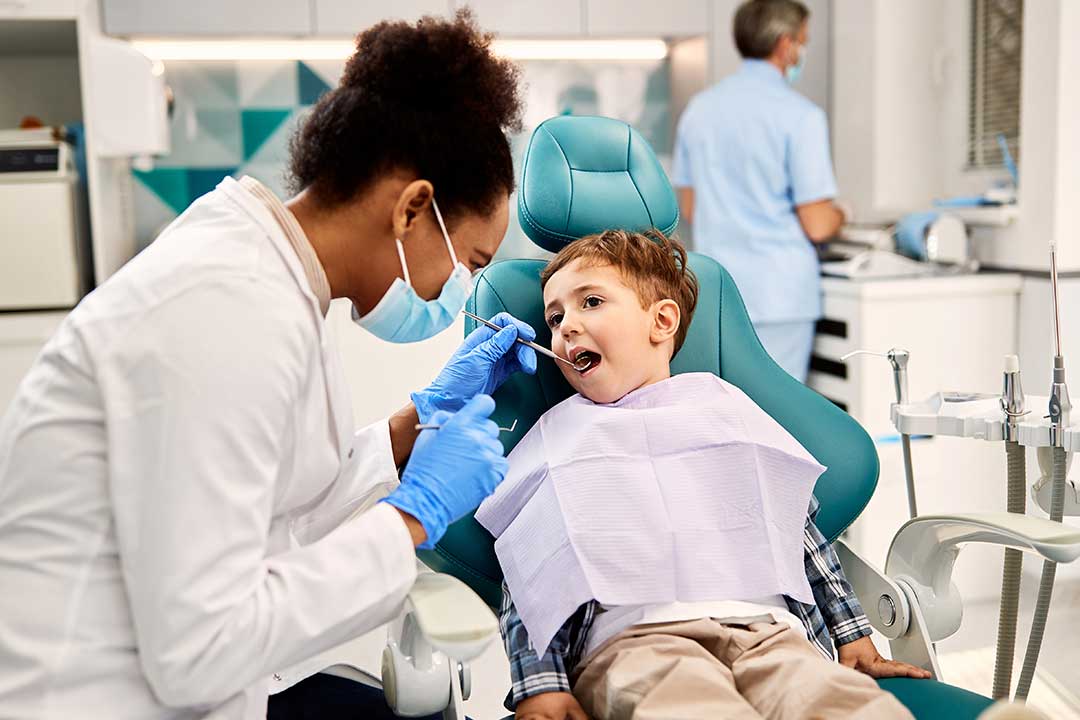
During a routine visit, the dental team may check for:
- Cavities and weakened areas of tooth enamel
- Gum inflammation, bleeding, or signs of periodontal disease
- Cracked, worn, loose, or sensitive teeth
- Problems with fillings, crowns, dentures, or other dental work
- Changes in the mouth, tongue, or surrounding tissues
- Oral health concerns associated with medications or medical conditions
Regular care also provides an opportunity to review brushing, flossing, fluoride use, diet, tobacco exposure, and other factors that affect oral health. Routine dental visits support early detection of cavities, gum disease, and other oral conditions. ([cdc.gov](https://www.cdc.gov/cdi/indicator-definitions/oral-health.html?utm_source=openai))
Who may need dental visits more often?
People with a higher risk of oral disease may need appointments every three to four months or at another interval selected for their situation. More frequent care may be considered for someone who has:
- A history of several cavities
- Active or previously treated gum disease
- Frequent dental pain or sensitivity
- Dry mouth caused by medications, medical treatment, or health conditions
- Diabetes or another chronic condition that affects healing or infection risk
- Difficulty brushing or flossing because of mobility, vision, memory, or hand-strength limitations
- Braces, retainers, dentures, or other appliances that make cleaning more difficult
- Tobacco use
- A diet high in sugary drinks or frequently consumed carbohydrates
Dry mouth deserves particular attention because saliva helps protect teeth. Certain medicines can reduce saliva flow, increasing the likelihood of decay. NIDCR notes that people at high risk for tooth decay may benefit from additional preventive measures, including fluoride treatments recommended during dental care. ([nidcr.nih.gov](https://www.nidcr.nih.gov/health-info/oral-hygiene?utm_source=openai))
A person who has recently completed treatment for gum disease may also need maintenance visits more frequently than someone with healthy gums. The interval should be based on the condition being monitored, not simply on insurance coverage or a standard calendar reminder.
Do children need dental visits every six months?
Children generally benefit from regular dental visits beginning when the first tooth appears or by the first birthday. Early visits help identify developmental concerns, review fluoride exposure, discuss thumb-sucking or pacifier habits, and establish comfortable routines.
Many children are seen twice a year, although some may need more frequent visits because of:
- Previous cavities
- Newly erupting permanent teeth
- Enamel defects
- High exposure to sugary foods or drinks
- Difficulty brushing effectively
- Orthodontic treatment
- Special health care needs
For children, preventive care is especially useful because tooth decay can progress quickly in primary teeth. A child who has never had a cavity may not need the same schedule as a child with repeated decay.
When should you go sooner than a routine visit?
Dental pain should not be postponed until the next scheduled cleaning. A prompt evaluation is appropriate for a toothache, swelling, a broken tooth, uncontrolled bleeding, or a sudden change in the mouth.
Seek urgent medical attention for swelling that affects breathing or swallowing, rapidly spreading facial swelling, or signs of a serious infection such as fever combined with significant dental swelling.
Other concerns that deserve timely attention include:
- Persistent sensitivity to hot, cold, or pressure
- A sore, lump, or patch that does not heal
- A loose adult tooth
- A dental filling or crown that breaks
- Pus, a bad taste, or drainage near a tooth
- Jaw pain, difficulty opening the mouth, or a noticeable change in the bite
Pain can temporarily disappear even when the underlying problem remains. A tooth with an untreated infection may become less painful if the nerve inside it loses vitality, so the absence of pain does not always mean the problem has resolved.
How do Minnesota seasons affect dental routines?
Seasonal schedules can make preventive care easier to overlook in the local community. Winter weather, school calendars, farm and household responsibilities, travel, and summer activities may all lead people to delay routine care.
A practical approach is to connect dental visits with an existing yearly routine, such as a child’s school-year planning or an adult’s annual health review. The specific month matters less than maintaining the interval recommended for the individual.
Cold weather can also make tooth sensitivity more noticeable, especially when breathing through the mouth outdoors or consuming very cold foods and drinks. Sensitivity that is brief and occasional may have a simple explanation, but sensitivity that is persistent, worsening, or limited to one tooth should be evaluated.
Are cleanings the same as dental examinations?
No. A cleaning removes plaque, tartar, and surface buildup, while an examination evaluates the health of the teeth, gums, bite, and mouth. Both may occur during the same visit, but they serve different purposes.
Dental X-rays are not automatically needed at every appointment. The appropriate timing depends on age, current oral health, cavity risk, symptoms, prior findings, and whether a new problem is suspected. The American Dental Association states that radiographs should be selected according to the patient’s individual circumstances rather than a fixed schedule. ([ada.org](https://www.ada.org/resources/ada-library/oral-health-topics/x-rays-radiographs?utm_source=openai))
What can you do between dental visits?
Daily care strongly influences how often problems develop. Helpful habits include:
- Brush twice daily with fluoride toothpaste.
- Clean between the teeth each day with floss or another suitable interdental cleaner.
- Drink water regularly, especially when the mouth feels dry.
- Limit frequent sugary drinks and snacks.
- Avoid tobacco products.
- Clean dentures daily and remove them at night unless instructed otherwise.
- Use a mouthguard during contact sports or activities with a risk of dental injury.
The key question is not simply whether a person visits twice a year. It is whether the interval matches that person’s risk and whether new symptoms are addressed promptly. For many Wilmar households, a yearly examination is a reasonable minimum, while six-month or more frequent visits may provide better protection when oral health risks are higher.